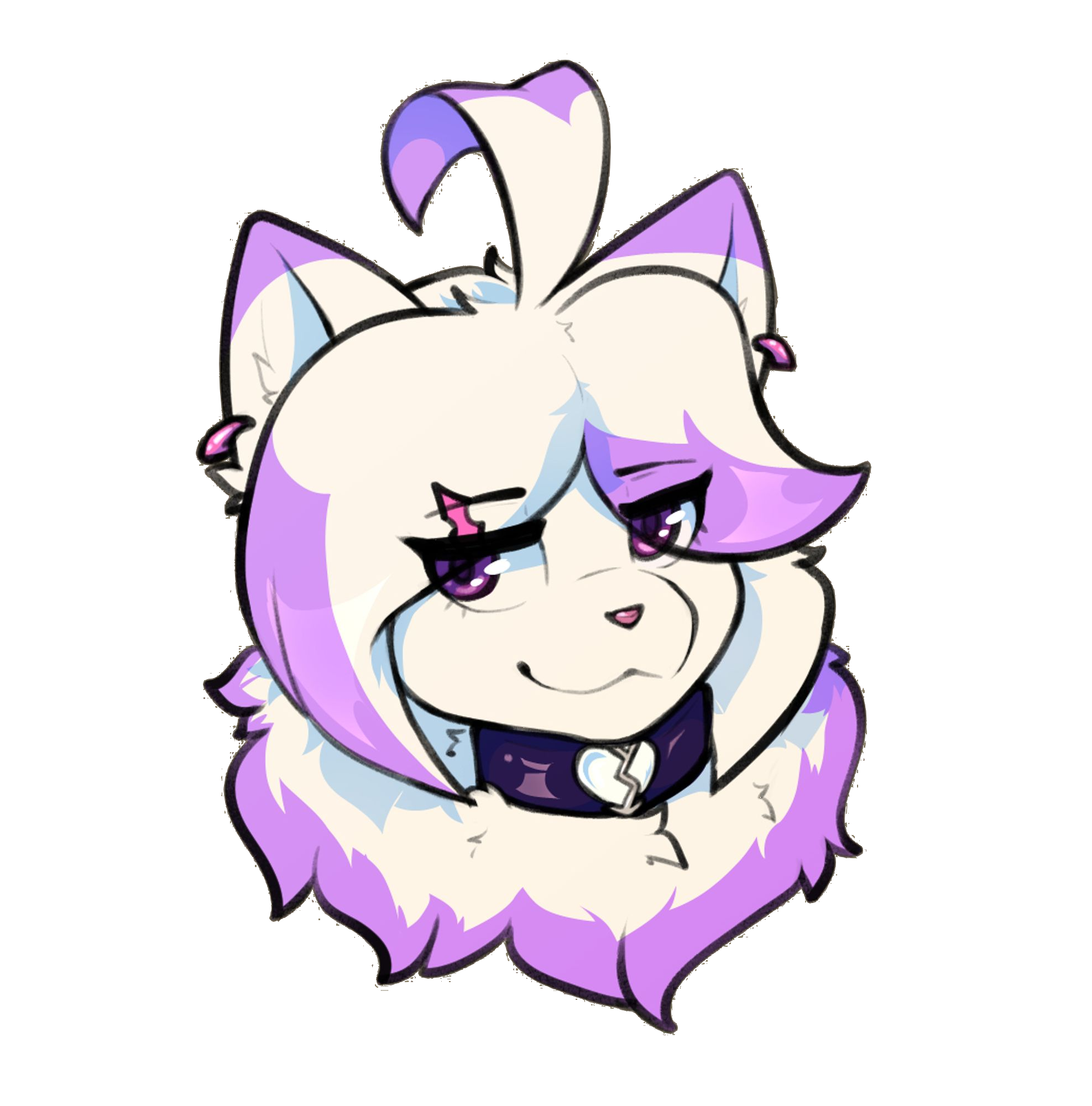
“Why that song?”
The night had grown chilly, the bard and hero both moving a little closer to the fire.
“Tradition, I suppose,” the bard returned easily. “And a measuring-stick with which to gauge my company before I decide to delve into other, more dangerous songs. ‘Twould be a shame to speak too freely, only to bite upon my tongue.”
“That much I can agree with,” grumbled the hero, staring through the flames and into memory.
The bard tuned their harpstrings with a delicate touch. “Do you often find yourself without proper words, then, dear hero?”
Another silence greeted the question. Only after the sparks snapped a few more times did the hero finally open their mouth to speak. “I often find no care for my input, if it is not martial in nature.”
“Ah. Familiar, that. Then – if you had an audience, perhaps, of the peasantry or the nobility or both, what might you say to them? If you knew they would listen?”
The pause held for longer this time. “I’m tired,” the hero murmured at last, barely more than a whisper. “Tired of the same old story from the same old people. Tired of doing everything I can and nothing changing. Tired of- gods, I can’t even walk away. I’m compelled to stand in the gap. But I’m just so, so very tired of it all. And no one sees, no one hears. Heroes aren’t allowed to be normal people.”
“I see you, hero,” the bard returned, softly. “I hear you. Perhaps another song, then; a different one.”
The hero listened as once again the bard’s harp wove its way into the sounds of night; a quiet, contemplative melody that spoke of sadness, regret, and wounds yet unhealed.
And once more the bard’s alto began; a soft lament.
“Lost, long lost;
Many souls upon the altar,
Sacrificed not to the gods,
But for the whims of mortal kin-
Count the cost;
What peace can be offered
By a hand stained red with mortal sin?”
The melody shifted, from chorus to verse, and they continued.
“The eye sees clearest when its tears are dry;
The books are writ when no more arrows fly;
But hear upon the battlegrounds,
The bloody truth that still resounds:
‘No violence breeds peace.’ And still, we try.
Through rain and snow and mud we trace our path,
Destruction only in our aftermath;
All those who see us offer prayers
That we keep to our own affairs,
And that their gods will save them from our wrath.”
The hero felt the night weigh a little heavier on their shoulders, and let out a contemplative breath as the bard sang the chorus once again. Then:
“If every hero’s fate is sacrifice,
If every vict’ry takes a bloody price-
Why then, in each successive age,
Must we this endless battle wage?
No virtue this; ‘tis but some cruel vice.
All heroes dangle from their puppet-strings,
Controlled by those who treat them as mere things;
Their ‘noble cause’ a useful lie,
Seen through by the discerning eye-
No hope have they, beneath the yoke of kings.”
Eyebrows raised at the last stanza, and especially the last line of it, the hero leaned back a little and listened as the bard sang the chorus for a third time, now set in a different context.
“Dangerous songs, you said,” they murmured, after the last harp-note faded to silence. “I see now.”
“And what say you, dear hero?”
The hero pondered for a moment. “How do you deal with such knowledge? What do you even do, if you can’t bear to be a hero any longer? How did you handle the weight?”
A flash of teeth in the dark as the bard smiled. “Ah, well, I trained my voice and took up the harp.”


Leave only comments, not bad vibes